
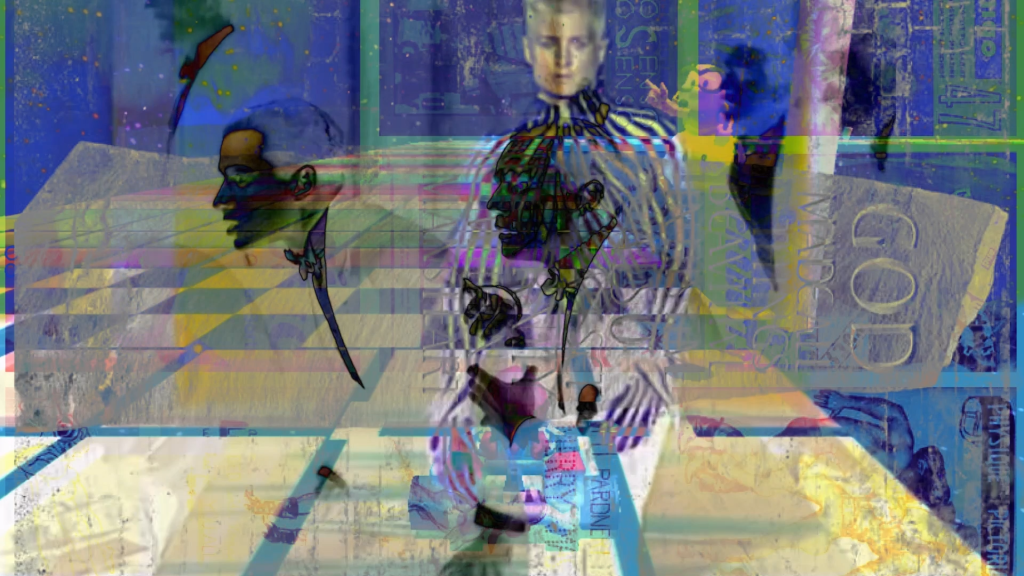
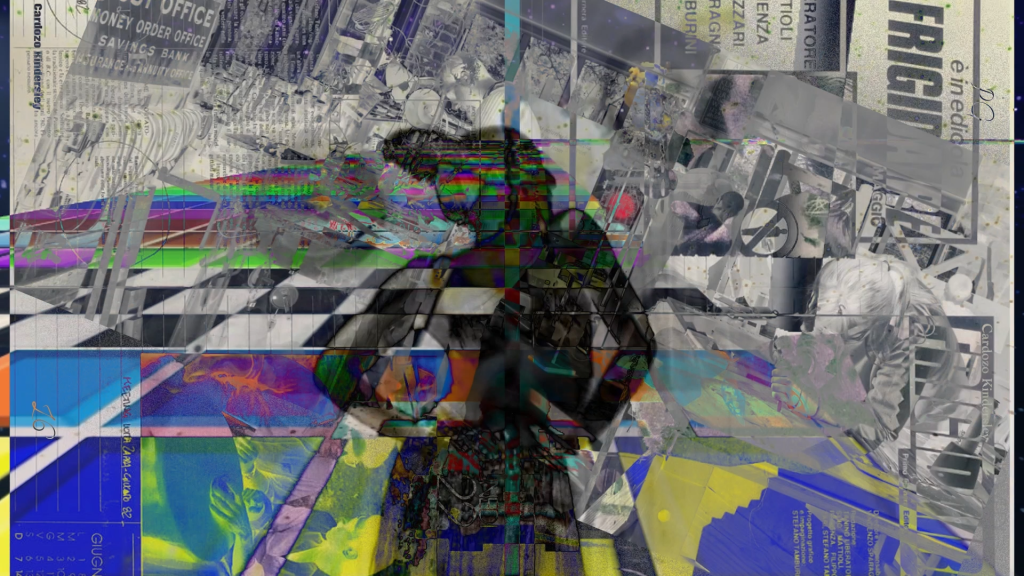
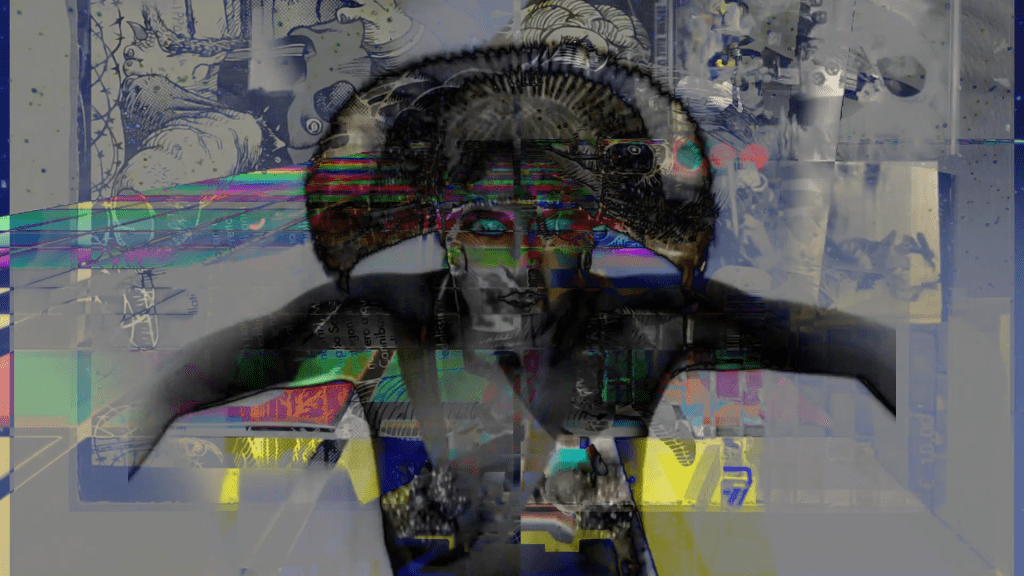
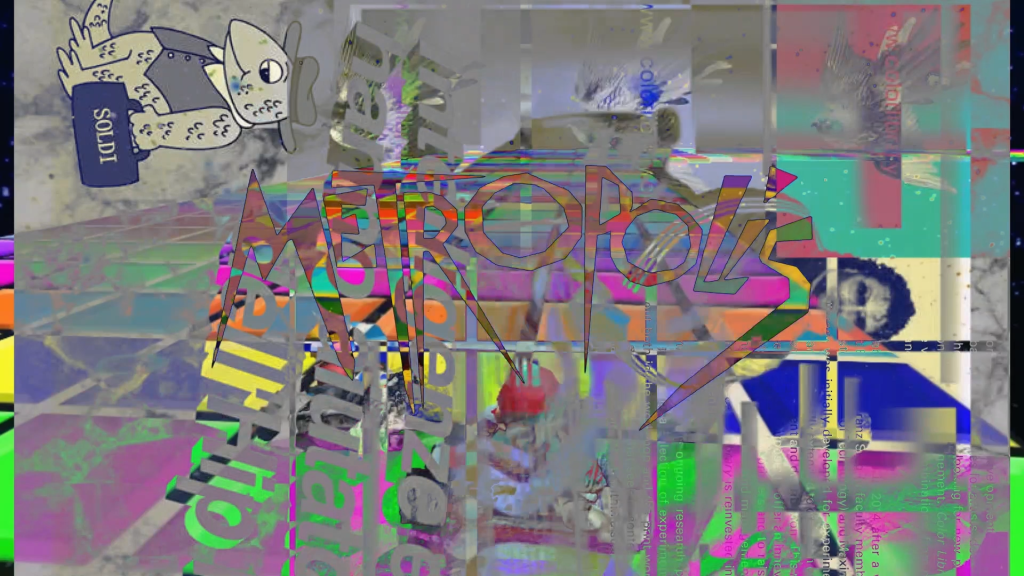
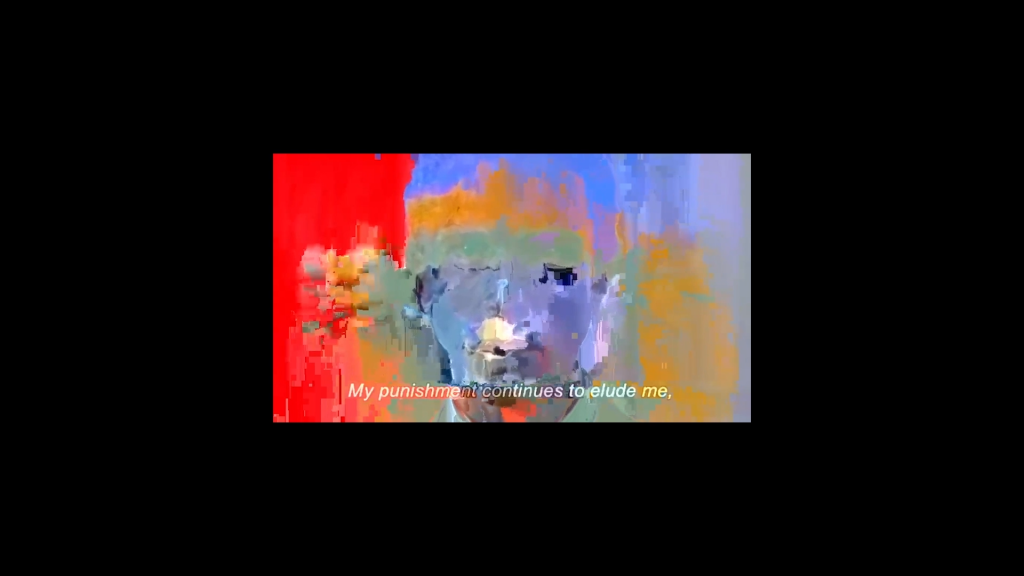
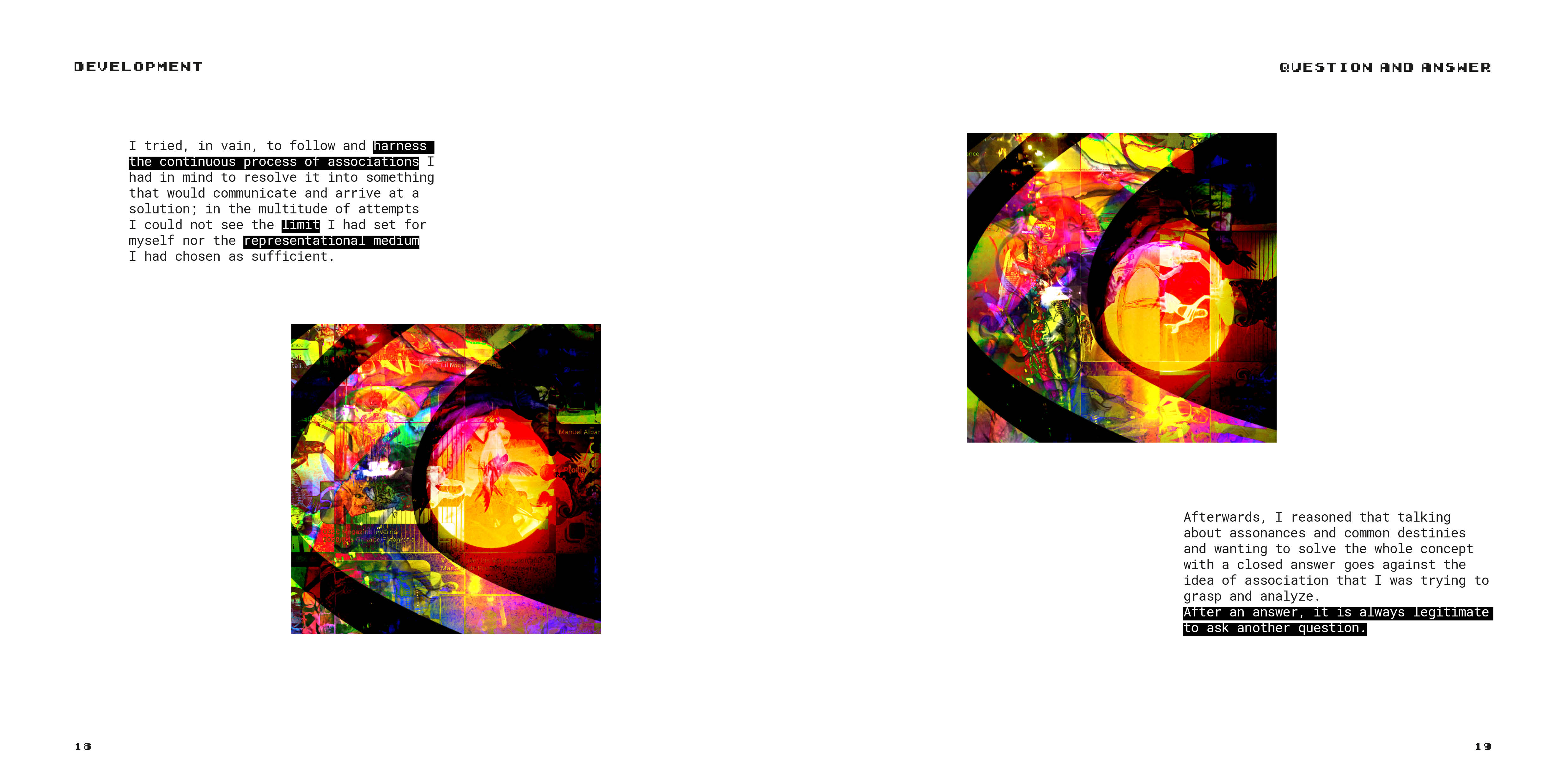
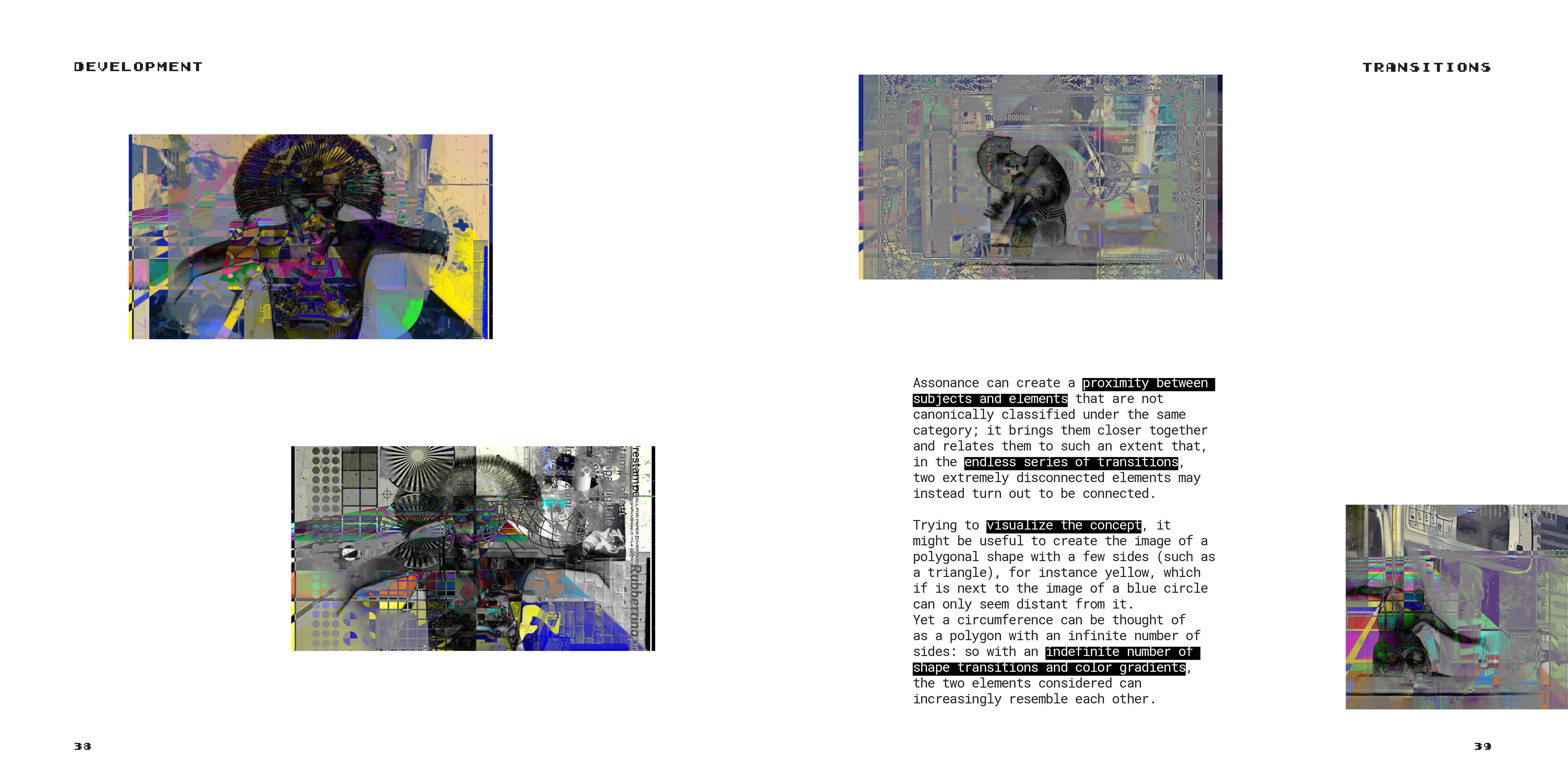
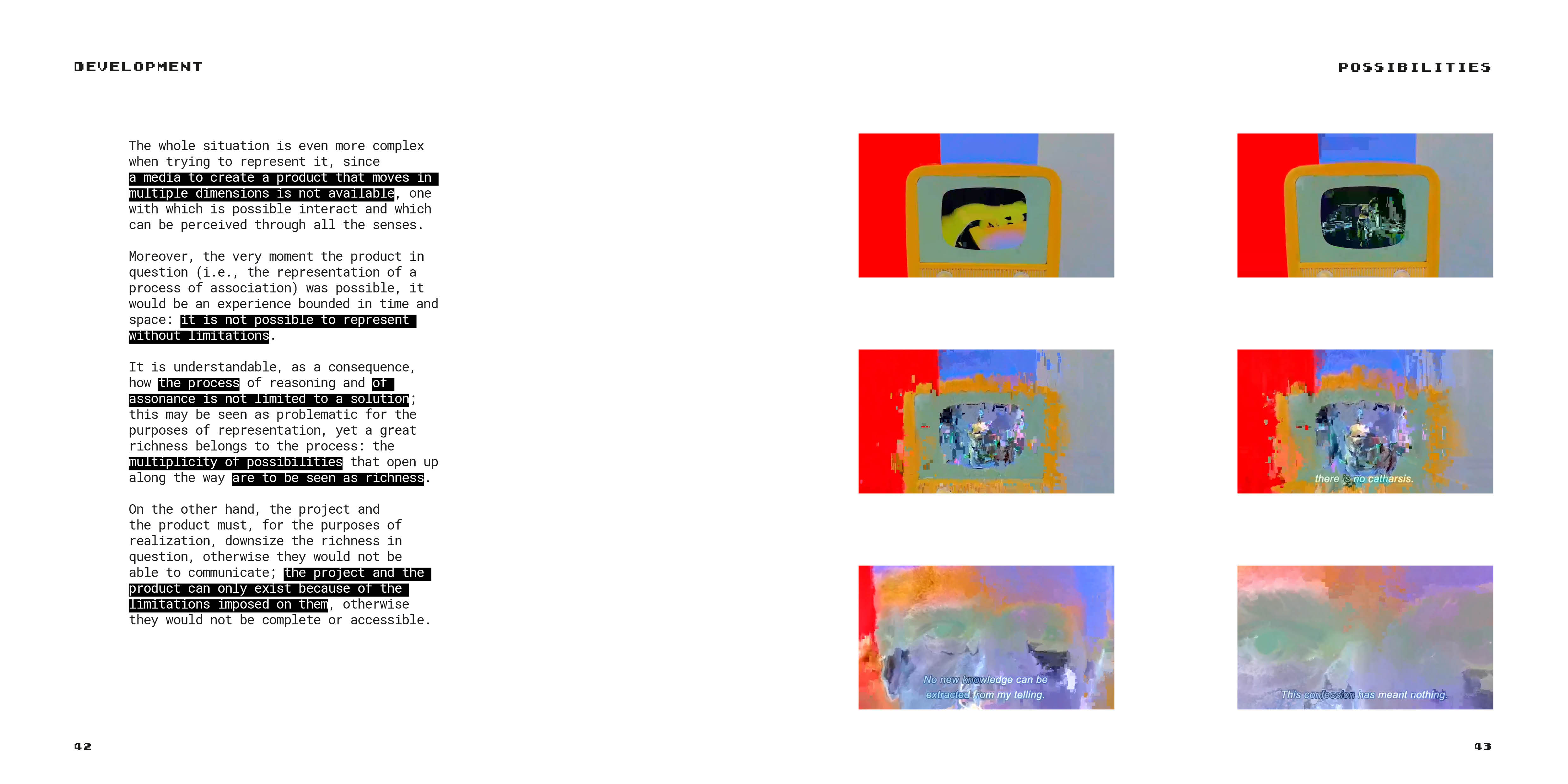
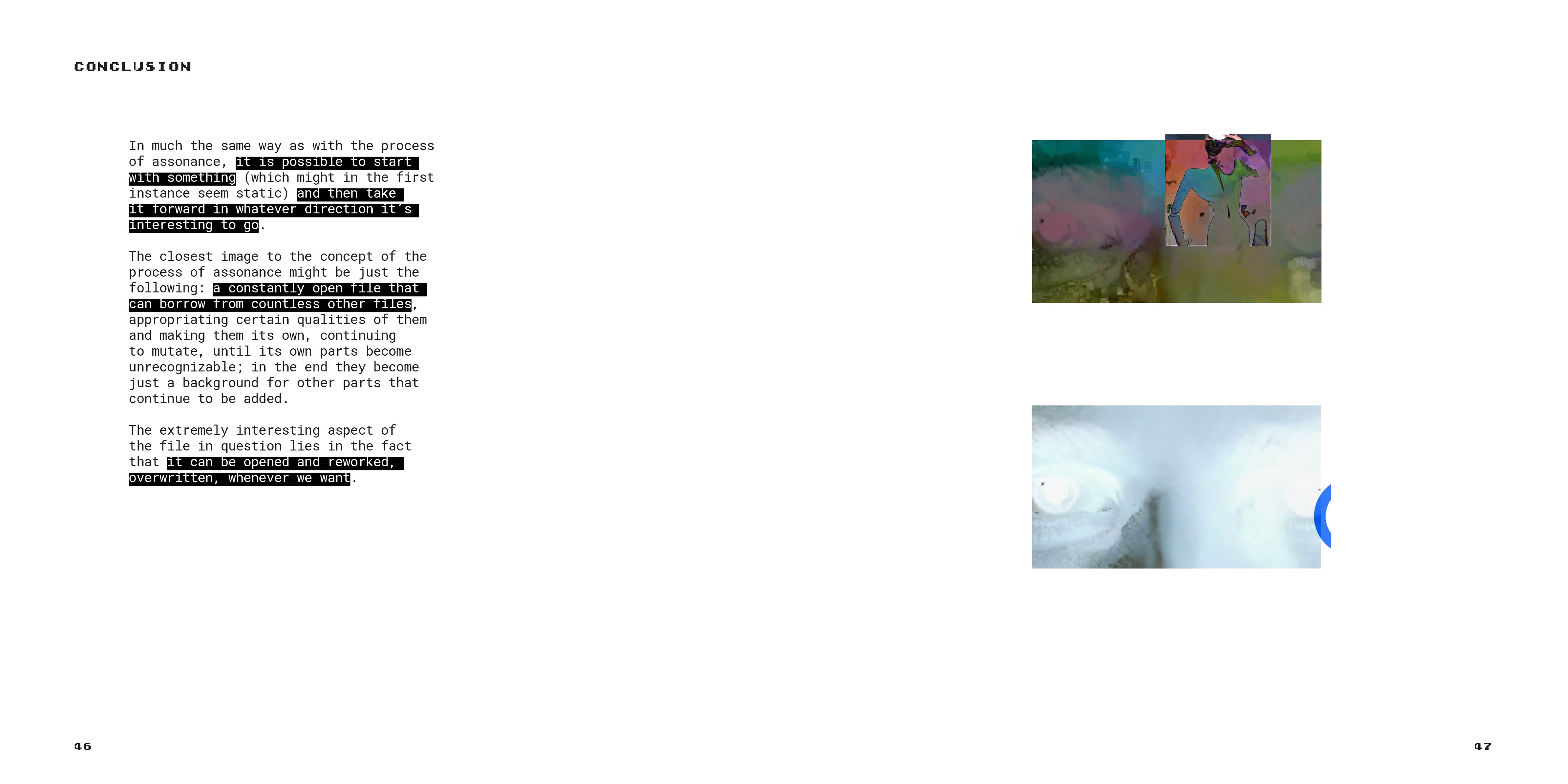
The project is an attempt to represent through video and audio the process of creating assonances in the human mind that links concepts, constructs, destroys, overlaps, mixes, and describes.
Tip: Hover over the photos to explore the different layers of meaning within the images.
Explanation and frames
As long as I can remember, I have always seen what was happening inside my mind as an endless equation full of variables.
I could have solved it or at least tried to decipher it through a careful analysis of what I knew, including what I did not know as something I could only understand through intuition.
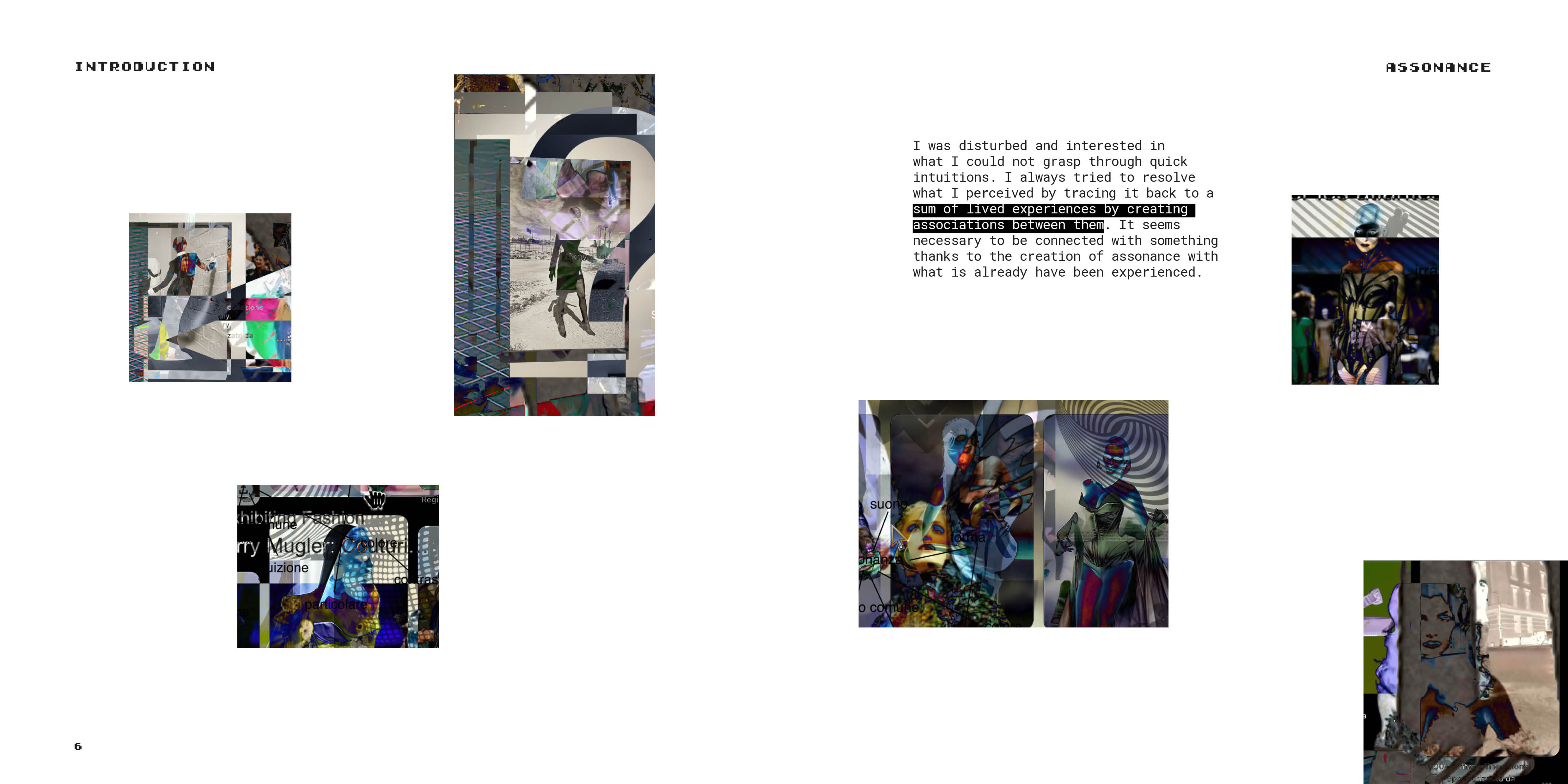
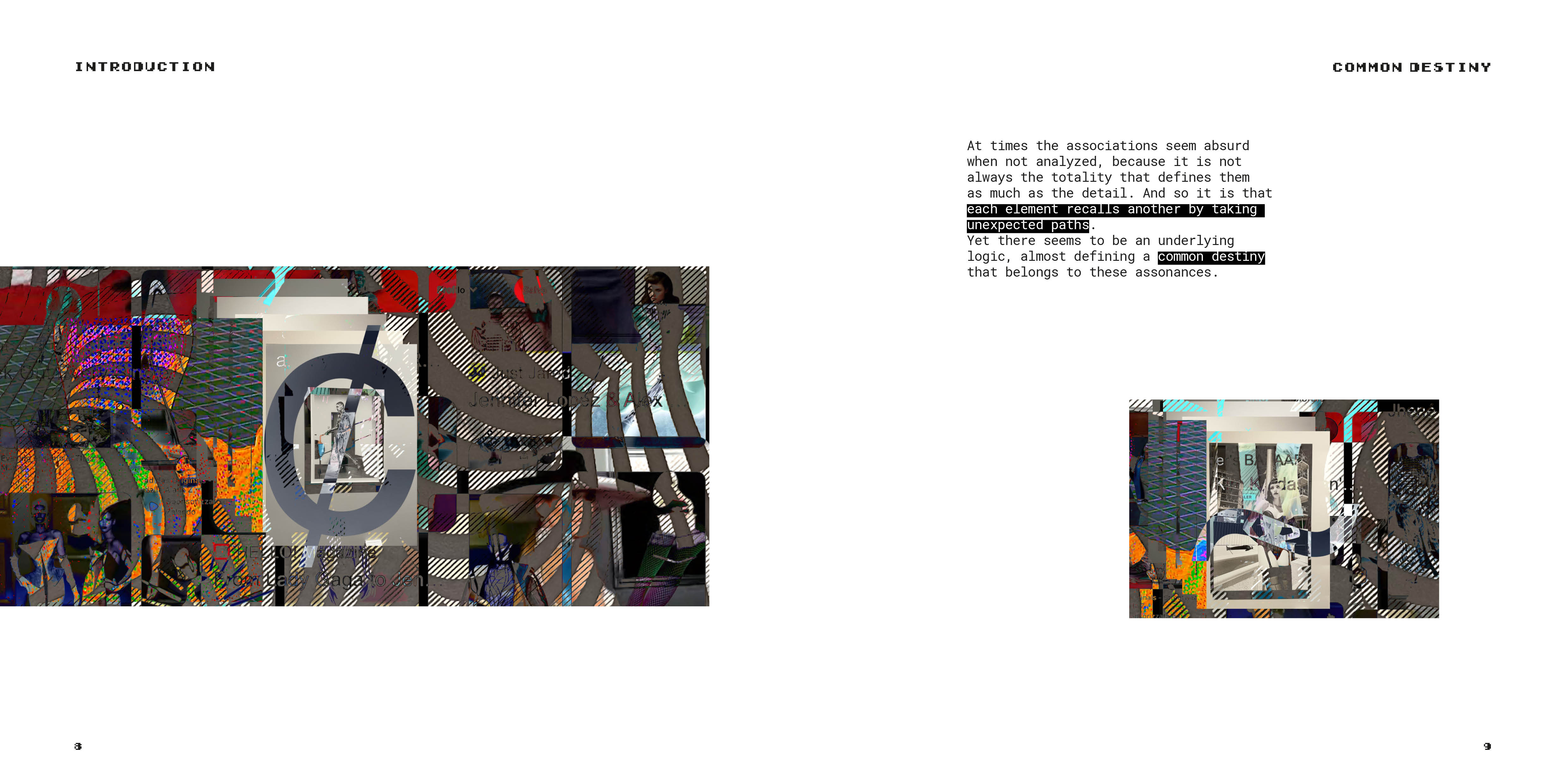
At times the associations seem absurd when not analyzed, because it is not always the totality that defines them as much as the detail. And so it is that each element recalls another by taking unexpected paths.
Yet there seems to be an underlying logic, almost defining a common destiny that belongs to these assonances.




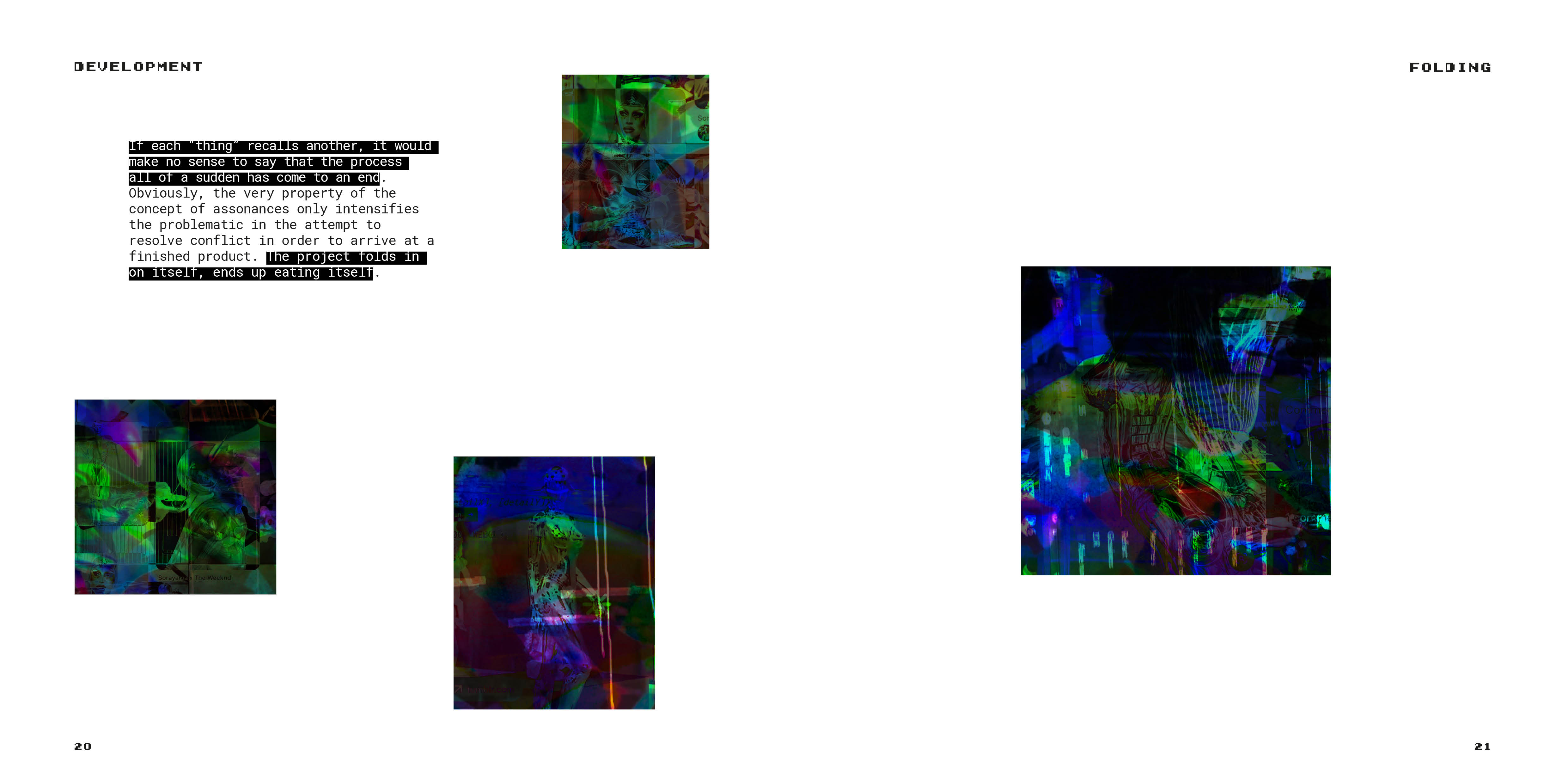
If each “thing” recalls another, it would make no sense to say that the process all of a sudden has come to an end. Obviously, the very property of the concept of assonances only intensifies the problematic in the attempt to solve conflict in order to arrive at a finished product.
The project folds in on itself, ends up eating itself.
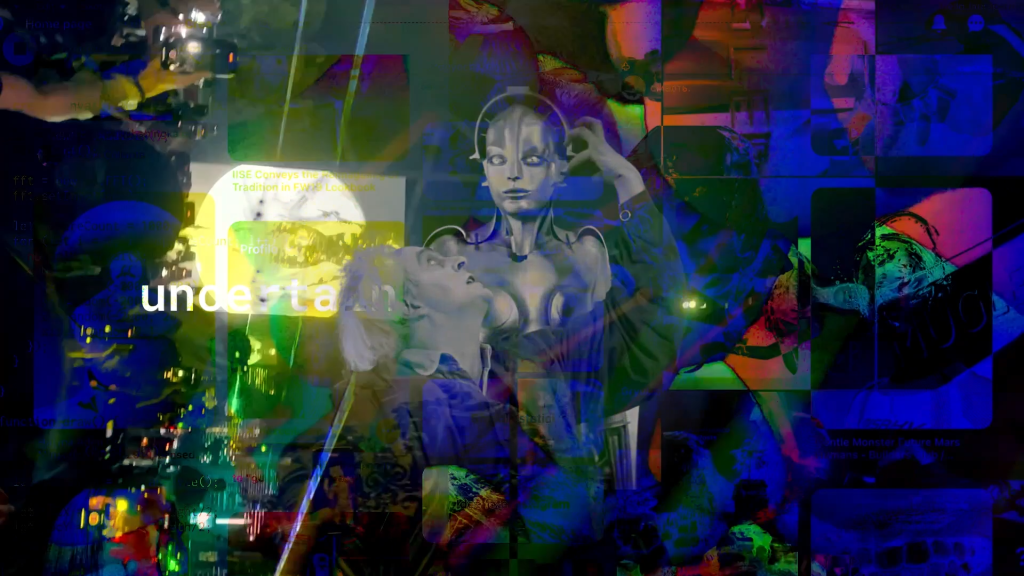

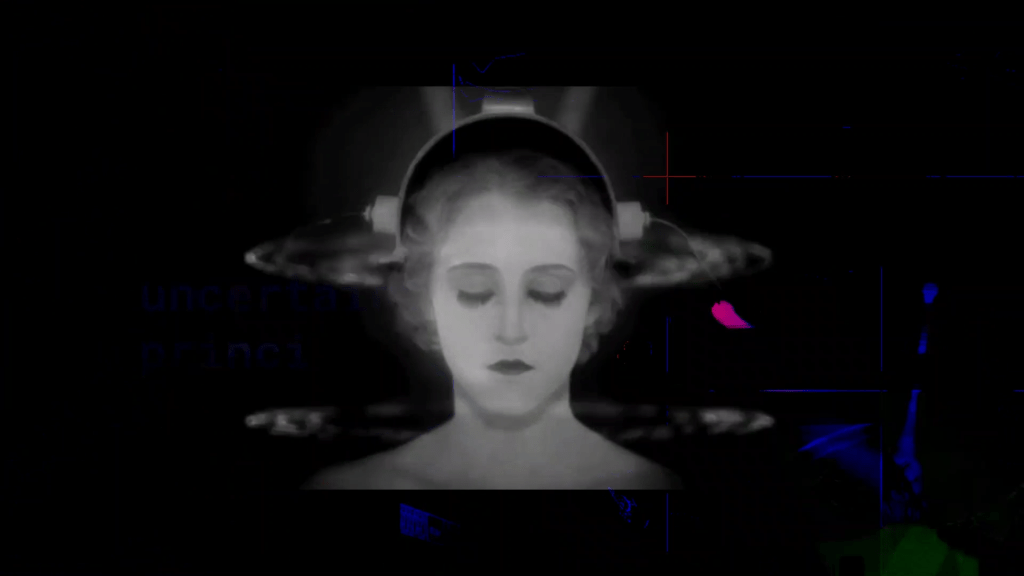
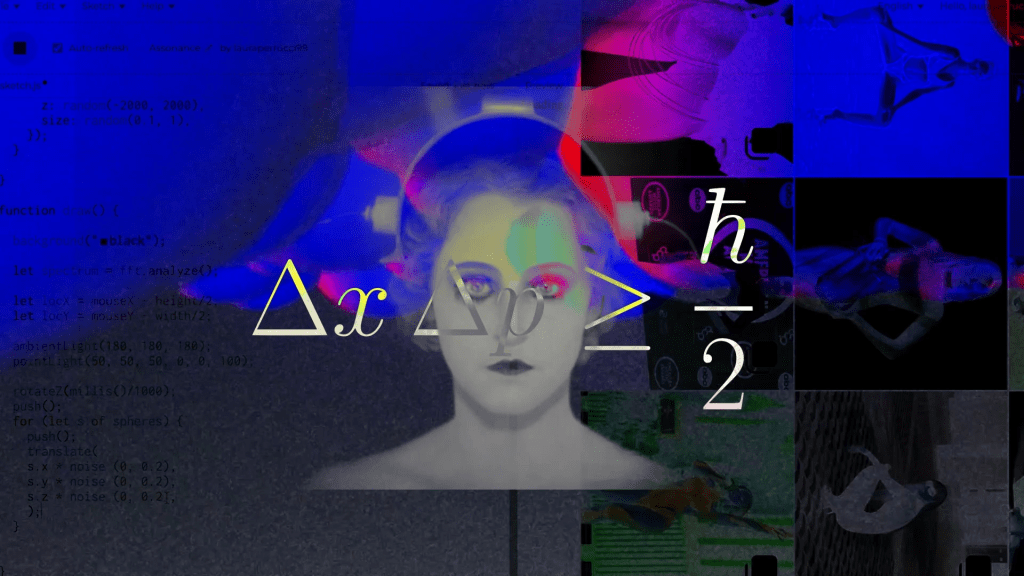

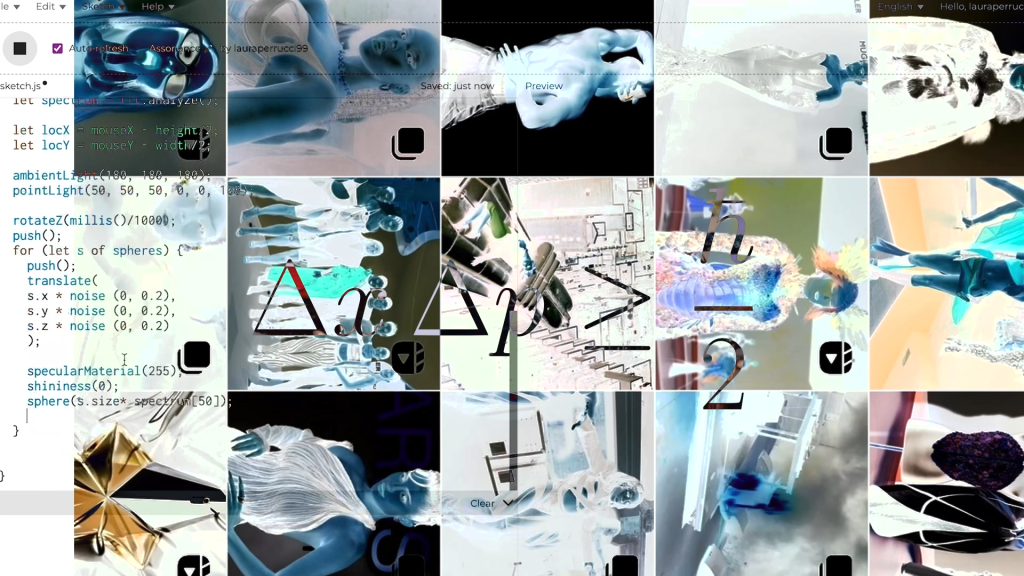
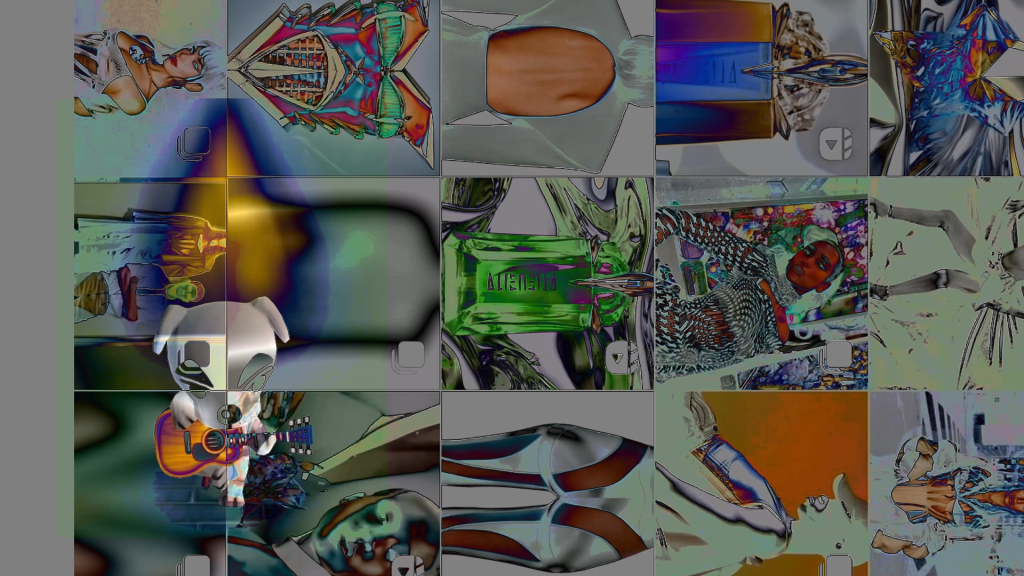
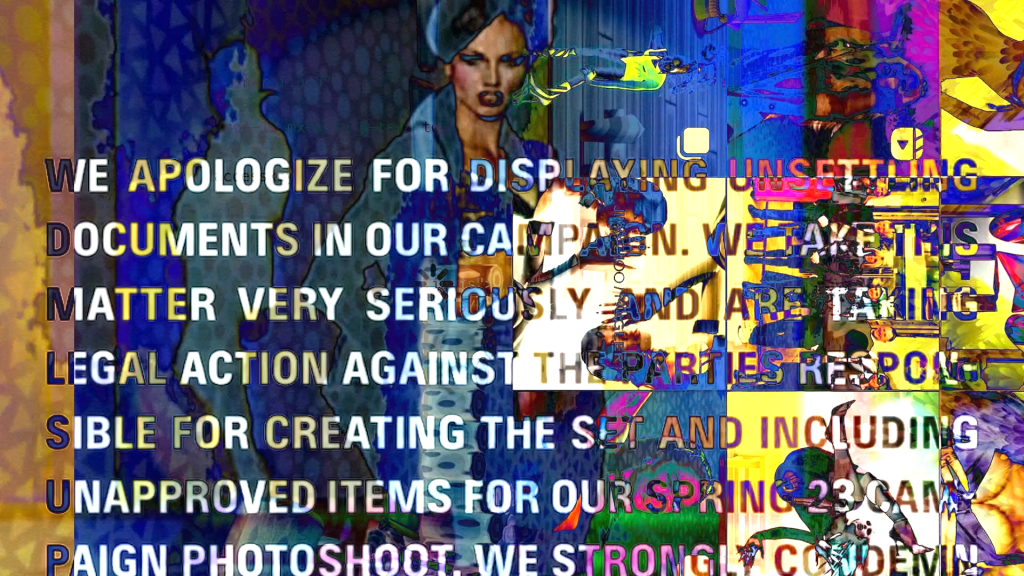
In Heisenberg’s Uncertainty Principle, the two quantities related to the state of an elementary particle are not measurable exactly because in attempting to measure one, the other turns out to be uncertain.
The act of observation affects the very experience we are observing: perception is an active process; a thing is no longer thought of as just that thing the moment we perceive it.


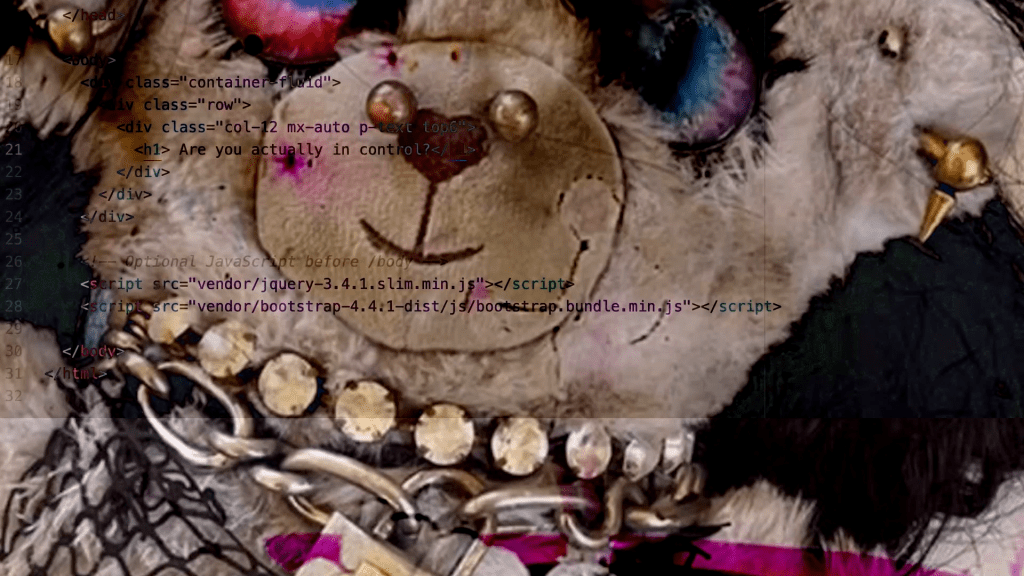
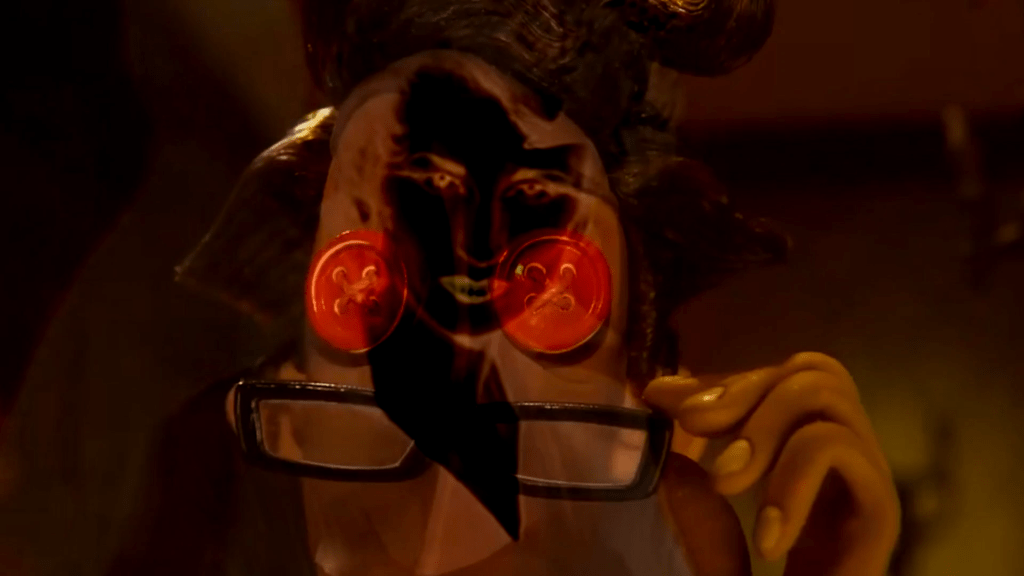

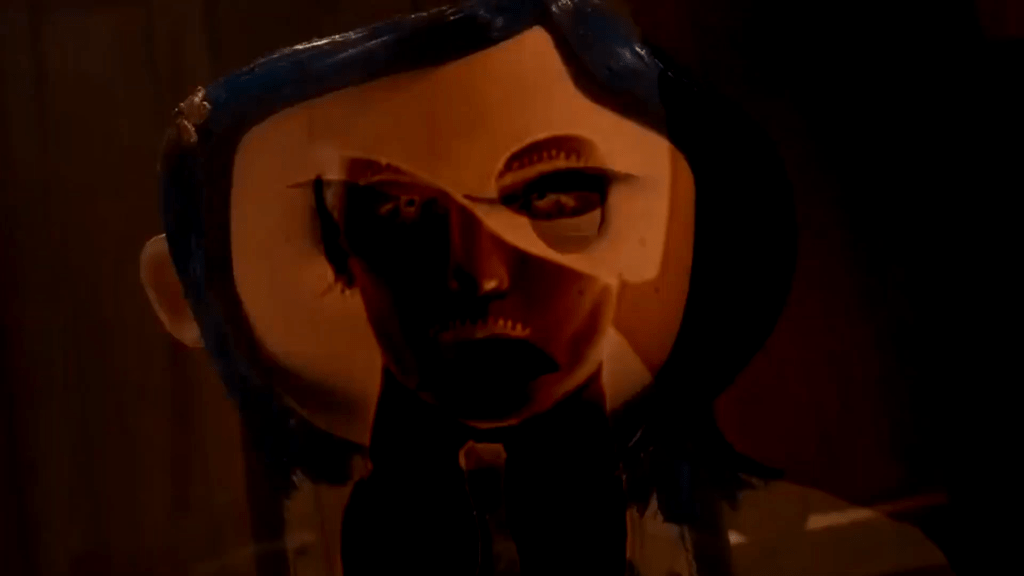

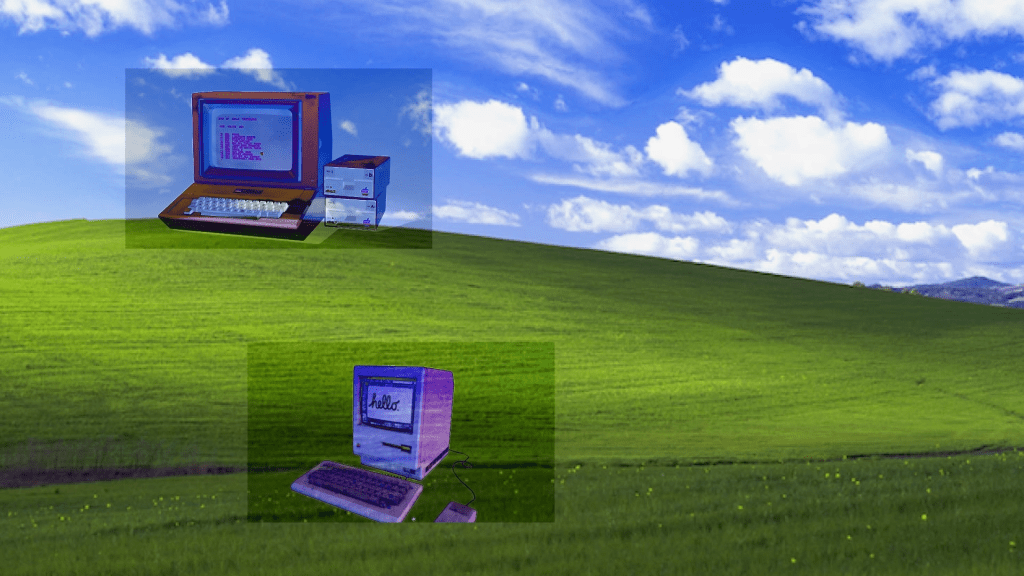
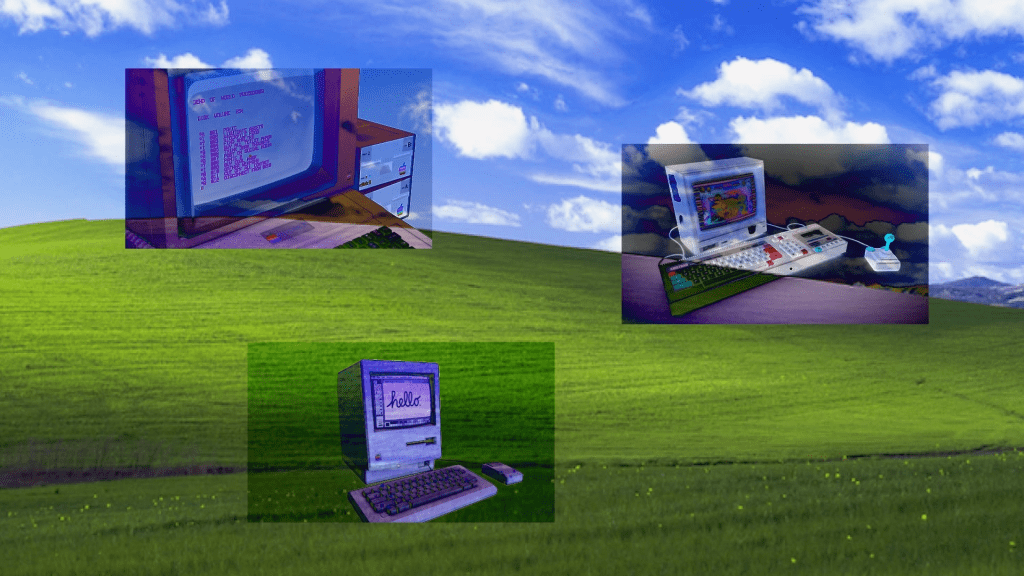
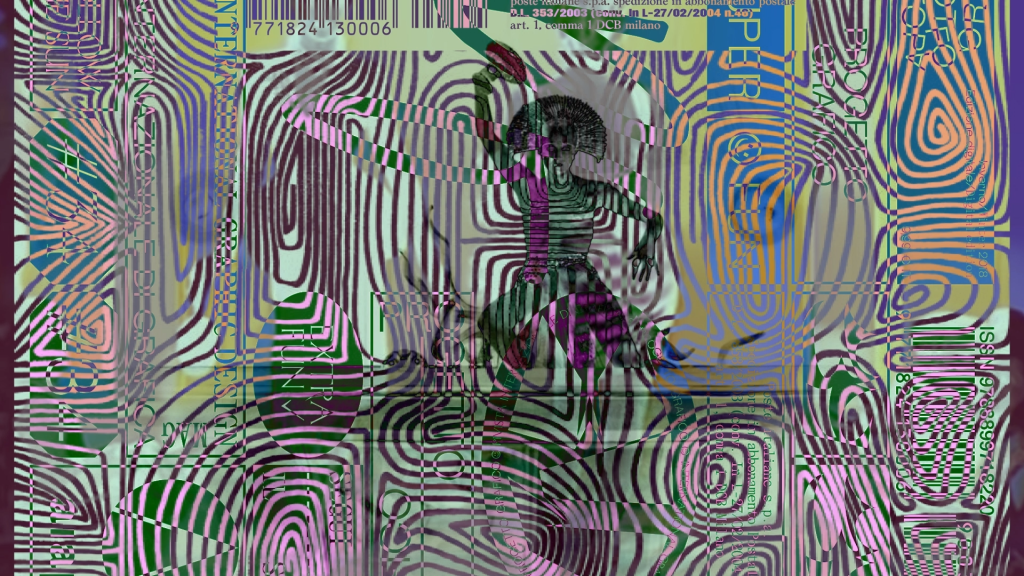

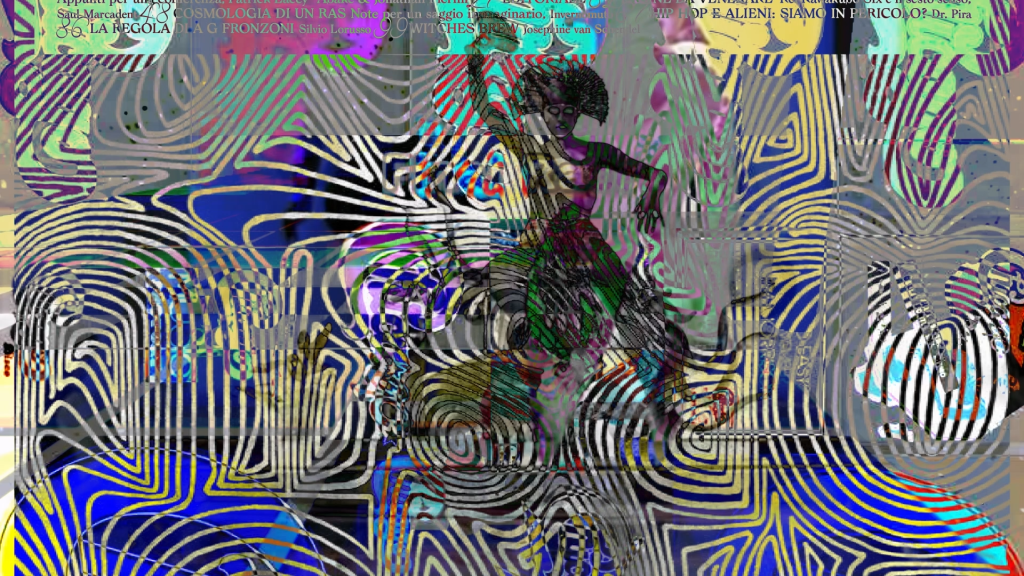
Some of the mental paths taken are indulged in, while others are avoided; this happens because there is a consciousness of the fact that if someone could visualize our mental path they would be disturbed, or perhaps confused by what they would encounter on the way.
It is extremely interesting how the more we try to push away an association in our thinking, the more it comes back with overwhelming arrogance. When this happens the process decelerates and focuses on the image that has emerged, asking
“how did it come to the subject?”
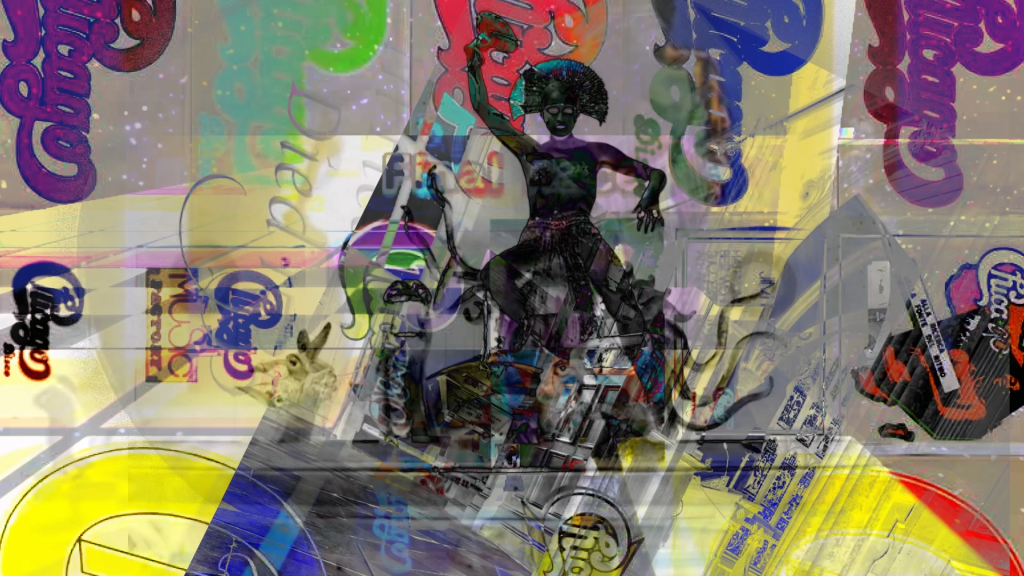
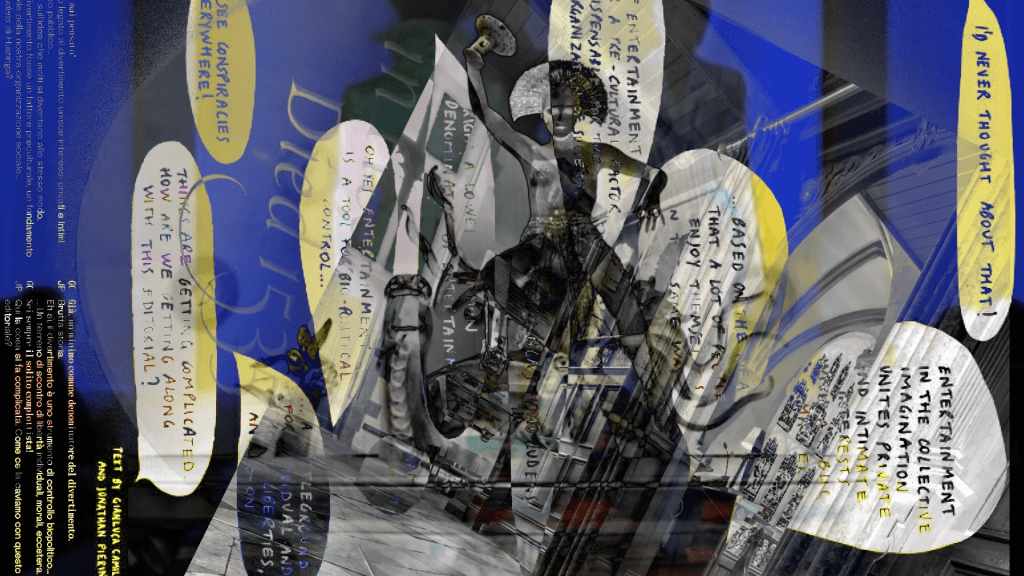
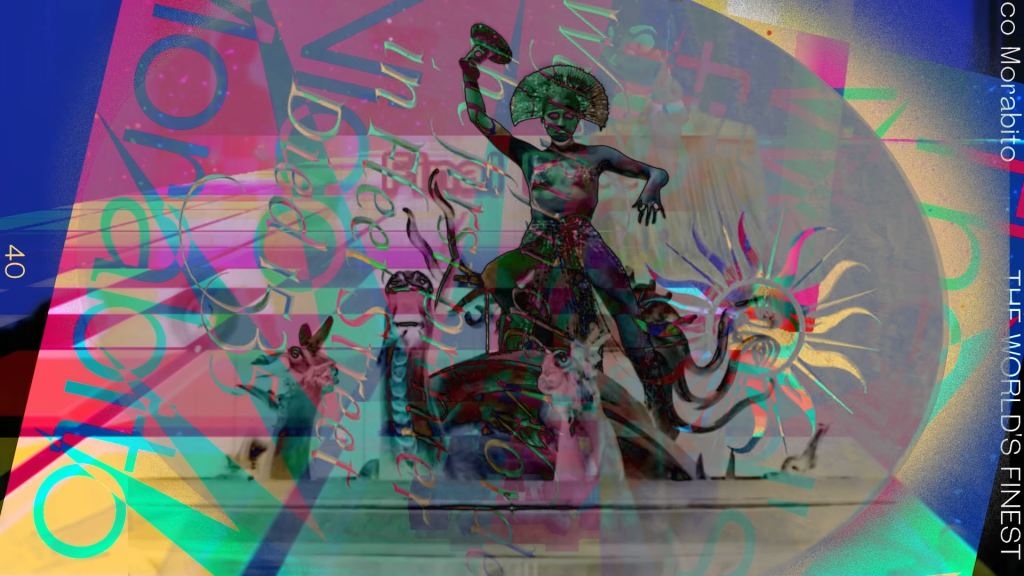



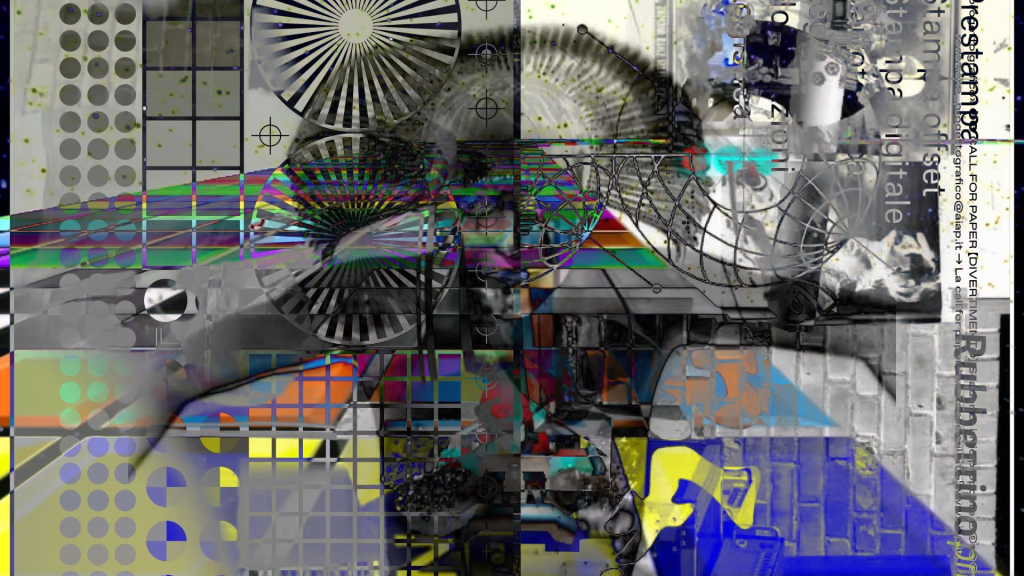
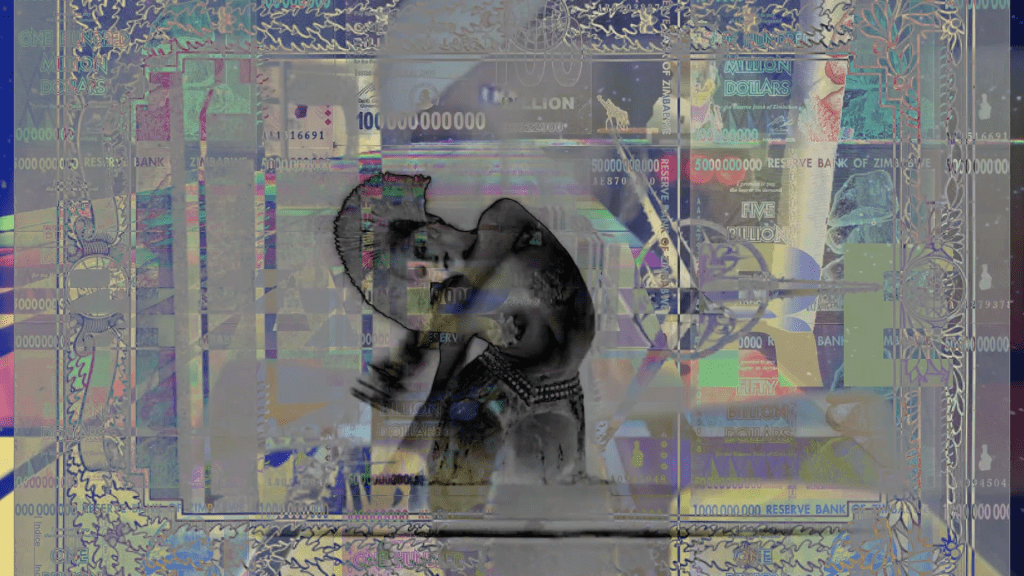

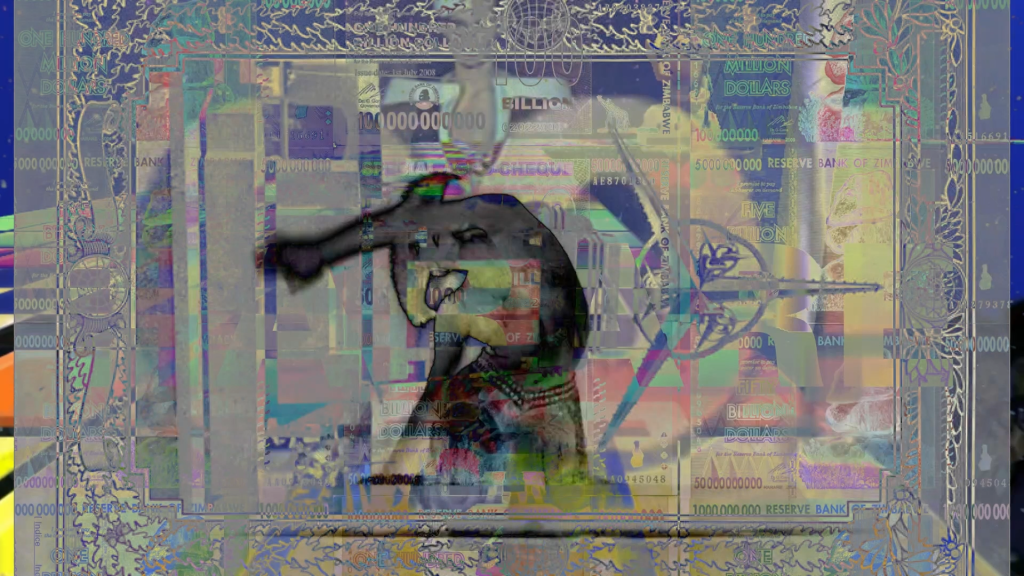
A great amount of the process is lost in trying to explain it, by the time spent in choosing the correct word in order to identify something that does not need to have a name in the thought.

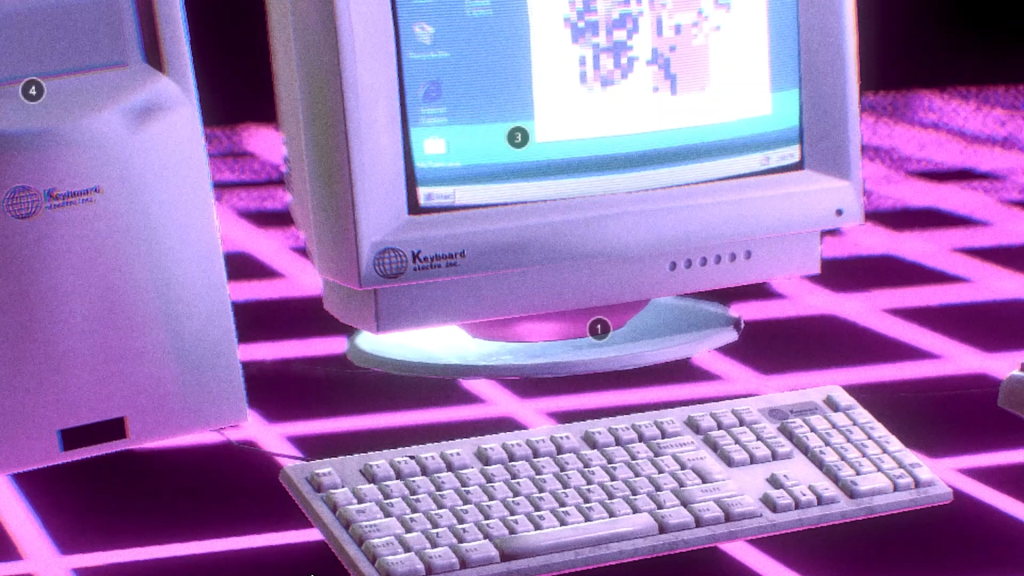



Assonance explanation book








 Portfolio Laura Perrucci